
At a Glance
In October 2025, the Australian Competition and Consumer Commission (ACCC) launched legal action against Microsoft after millions of Microsoft 365 users in Australia faced unexpected price increases tied to the introduction of Microsoft Copilot. Prices for Microsoft 365 Personal and Family plans jumped between 29 and 45 percent, and customers were presented with what looked like a binary choice: accept the higher Copilot-enabled pricing or cancel their subscription [1].
What many customers did not realize was that a third option still existed. Microsoft continued offering a “Classic” plan that kept all existing Microsoft 365 features without Copilot and without any price increase. According to the ACCC, this option was buried deep in the cancellation journey and never mentioned in Microsoft’s customer emails, blog posts or account dashboards [1][2].
This situation highlights a broader challenge: organizations rarely get full visibility into licensing options. As AI bundles reshape pricing and subscription structures evolve faster than most teams can track, strong Microsoft 365 license optimization practices are becoming essential.
1. What Happened With Microsoft 365 in Australia
The Core Issue
Following the addition of Copilot to the Personal and Family plans, Microsoft raised subscription prices. The ACCC argues that customers were led to believe they had only two choices: accept the new, more expensive plan or cancel entirely [1].
However, a third, lower-cost option remained available: the Classic plan. Customers simply were not shown this option unless they reached the final stage of cancellation, and it did not appear in any official communication [1][2]. This lack of transparency is at the center of the ACCC’s case.
The Legal Allegations
The ACCC alleges that Microsoft misled consumers by:
- Omitting material information about available subscription options
- Creating the impression that Copilot-inclusive plans were the only viable choice
- Failing to mention the Classic plan in emails, blog posts and interface messaging
- Steering customers toward a more expensive outcome they may have rejected
Scale and Impact
Roughly 2.7 million Australian customers were affected. If the court rules against Microsoft, penalties could exceed AUD 50 million, depending on the financial benefit gained and the severity of the conduct [1][2].
2. What the Case Reveals About License Management
“Most organizations do not intentionally overpay for Microsoft 365. It happens quietly when visibility is missing and vendors change plans faster than teams can track.”
This incident is not an outlier. It reflects systemic challenges in how cloud licensing works today.
Complexity and Fast Changing Plans
Microsoft 365 is powerful, but its ecosystem changes quickly. New AI features are bundled into plans, subscription tiers shift and product names evolve. Customers often struggle to understand what’s included, what’s changing and whether an upgrade is actually necessary.
Communication Gaps and Hidden Choices
As seen in the ACCC case, lower-cost or legacy options may technically exist but are not always communicated clearly—or at all. Customers cannot make informed decisions if key information is buried behind multiple clicks or missing from email notifications.
Overspending Due to Limited Visibility
Without centralized visibility:
- Inactive or underutilized licenses continue billing quietly
- Higher-tier plans may be assigned “just in case”
- Organizations pay for capabilities users never touch
This is one of the most common, and costly, problems in SaaS environments.
Trust and Regulatory Pressure
When communication is unclear or incomplete, trust erodes. Regulators—including the ACCC—are signalling that ambiguous upgrade paths or missing plan disclosures are no longer acceptable.
3. How Organizations Can Prevent Similar Issues
Ask Vendors for Full Transparency
Whenever a pricing or feature change occurs, organizations should request written documentation of all available plan options, including legacy tiers. Relying on upgrade prompts or automated email notices can obscure important choices.
Use License Management Software to Build Visibility
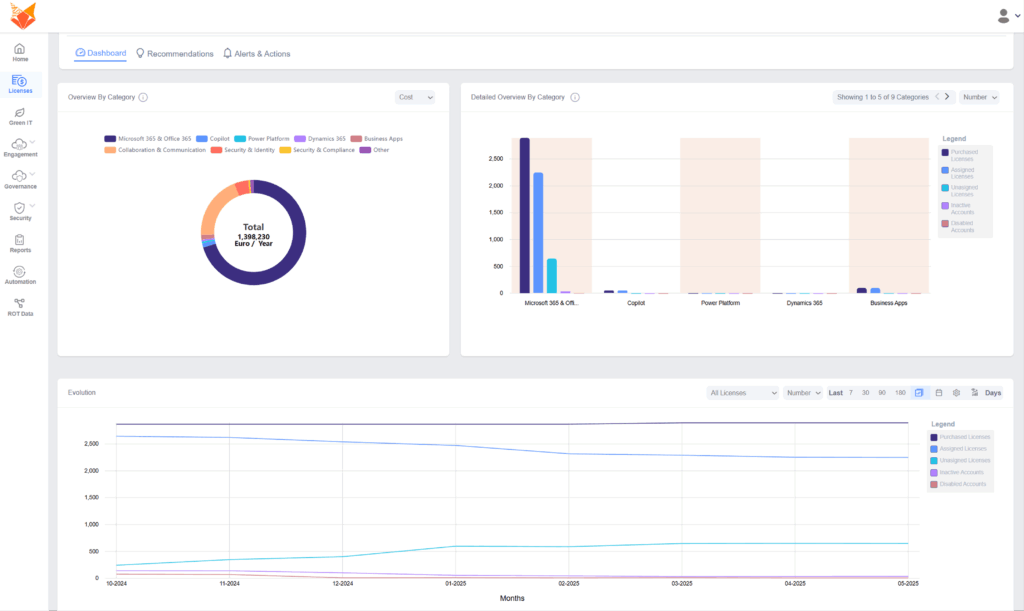
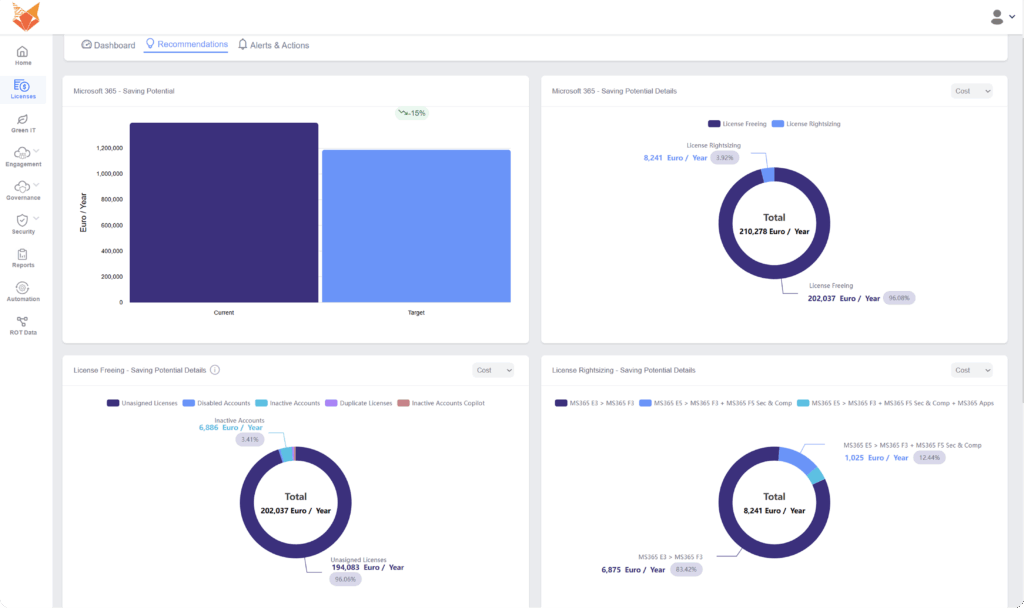
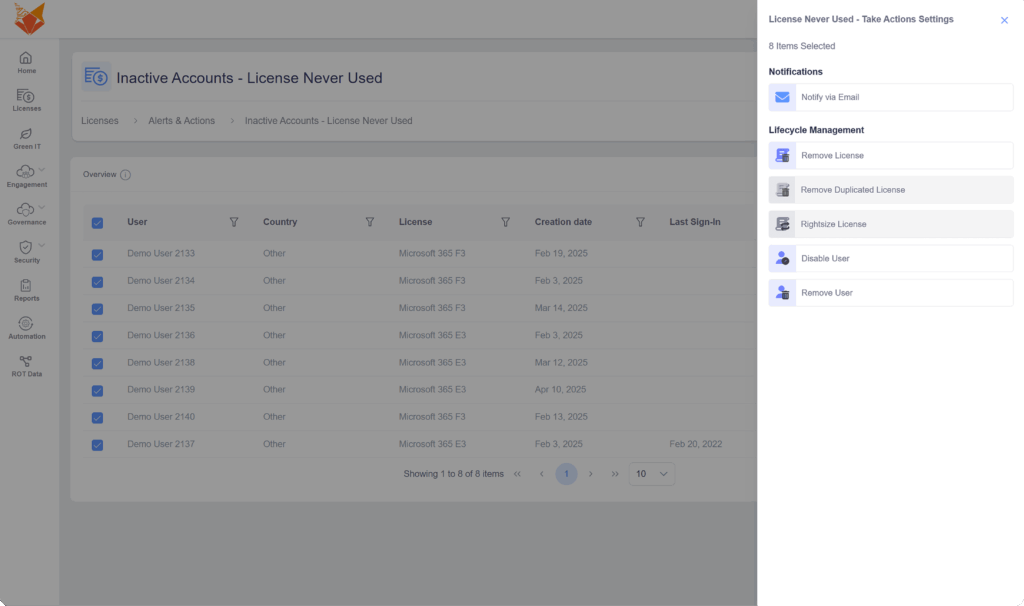
Modern license management platforms give organizations a clear picture of what they pay for versus what they actually use. Tools like TeamsFox combine usage analytics, rightsizing recommendations and automated actions to make Microsoft 365 environments leaner, safer and more cost efficient.
👉 Book a no-obligation TeamsFox demo:
Conduct Regular Audits
Quarterly license reviews help identify inactive accounts, oversized tiers and opportunities to optimize before renewal deadlines. Even small adjustments can produce meaningful cost savings.
Educate the Organization
Employees should understand how licensing works, what they have access to and how new features like Copilot affect pricing. Clear internal communication helps prevent accidental misalignment between business needs and licensing costs.
Reevaluate Vendor Relationships When Necessary
Pilot new AI features before committing to organization-wide upgrades. If communication from a vendor seems incomplete, consider raising concerns or exploring alternatives.
4. Main Takeaways
For Customers
- Demand Transparency: Vendors should clearly communicate all subscription options and pricing changes. If they do not, escalate concerns to regulators.
- Invest in Visibility: Use license management tools to understand how licenses are used versus how they’re billed. Strong visibility leads to stronger negotiations and fewer surprises.
- Stay Informed and Proactive: Monitor vendor announcements, track pricing changes and regularly audit your license inventory.
For Vendors
- Prioritize Transparency Over Short-Term Gains: Misleading customers may bring short-term revenue, but it weakens trust and damages long-term relationships.
- Communicate Feature Adoption Clearly: When adding AI capabilities like Copilot, outline all available choices—not just the recommended upgrade.
For Regulators and the Industry
- Protect Consumer Interests: The ACCC case is a reminder that transparency in subscription pricing matters at scale.
- Support Tools That Improve Visibility: License management platforms help organizations maintain fairness and compliance.
5. The Bottom Line
The Microsoft 365 pricing controversy in Australia shows how quickly cloud licensing can shift, and how essential visibility has become for organizations of all sizes. As AI driven features reshape pricing models, businesses need accurate data and consistent oversight to stay in control.
Tools that surface real usage data and automate rightsizing help organizations prevent unnecessary spending and avoid renewal season surprises.
“Strong license management is not a nice to have. It is often the only safeguard against rising costs, unclear pricing and rushed upgrades.”
👉 If you want instant clarity on your Microsoft 365 governance costs, usage and risks, you can run a free TeamsFox scan on your own tenant. It provides a complete breakdown of savings opportunities, governance issues and license recommendations:
References
[1] Reuters. (2025, October 26). Australia takes Microsoft to court, says it misled 27 million customers. https://www.reuters.com/world/asia-pacific/australia-takes-microsoft-court-says-it-misled-27-million-customers-2025-10-26/
[2] Australian Competition and Consumer Commission (ACCC). (2025, October 26). Microsoft in court for allegedly misleading millions of Australians over Microsoft 365 subscription. https://www.accc.gov.au